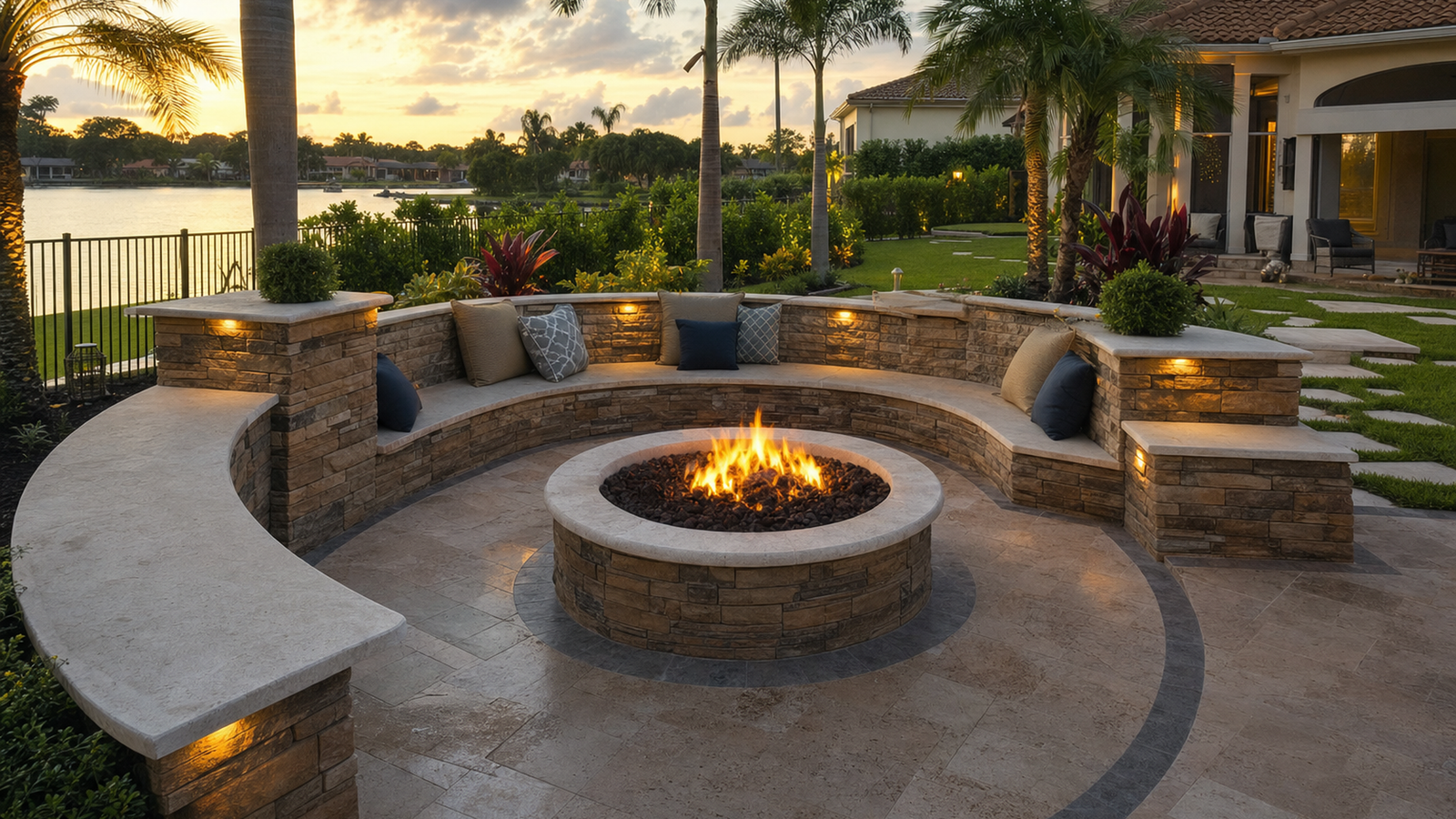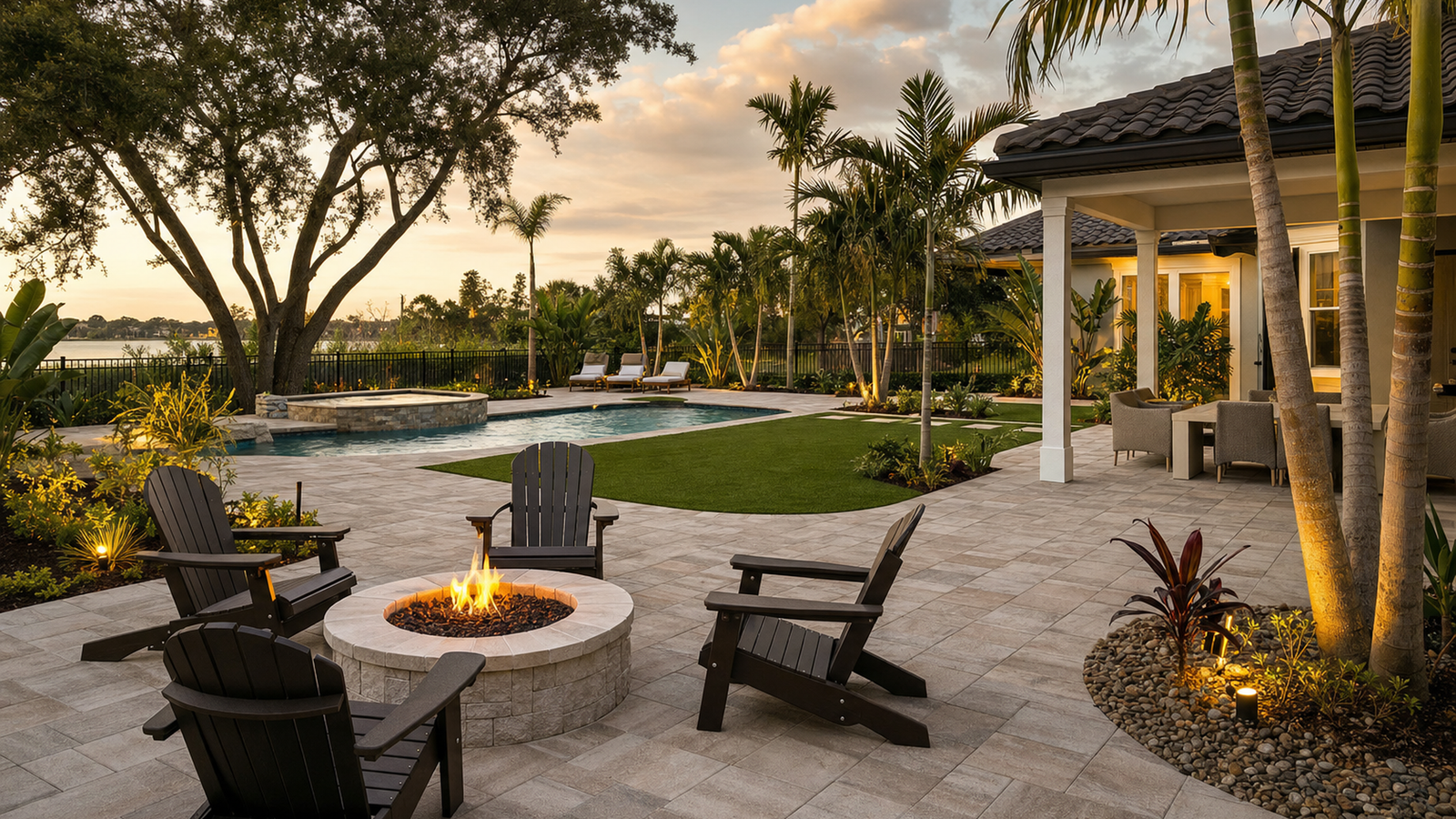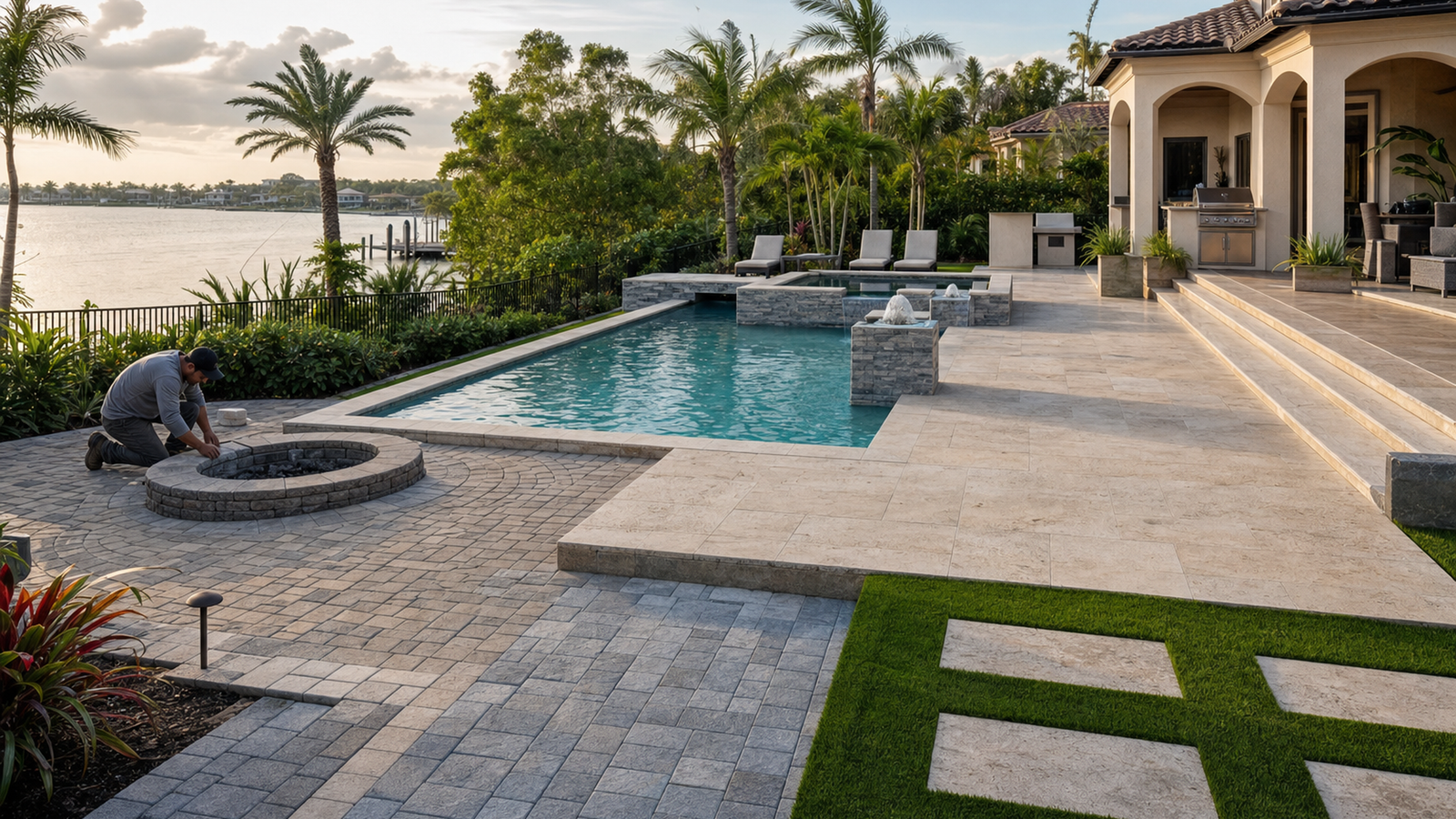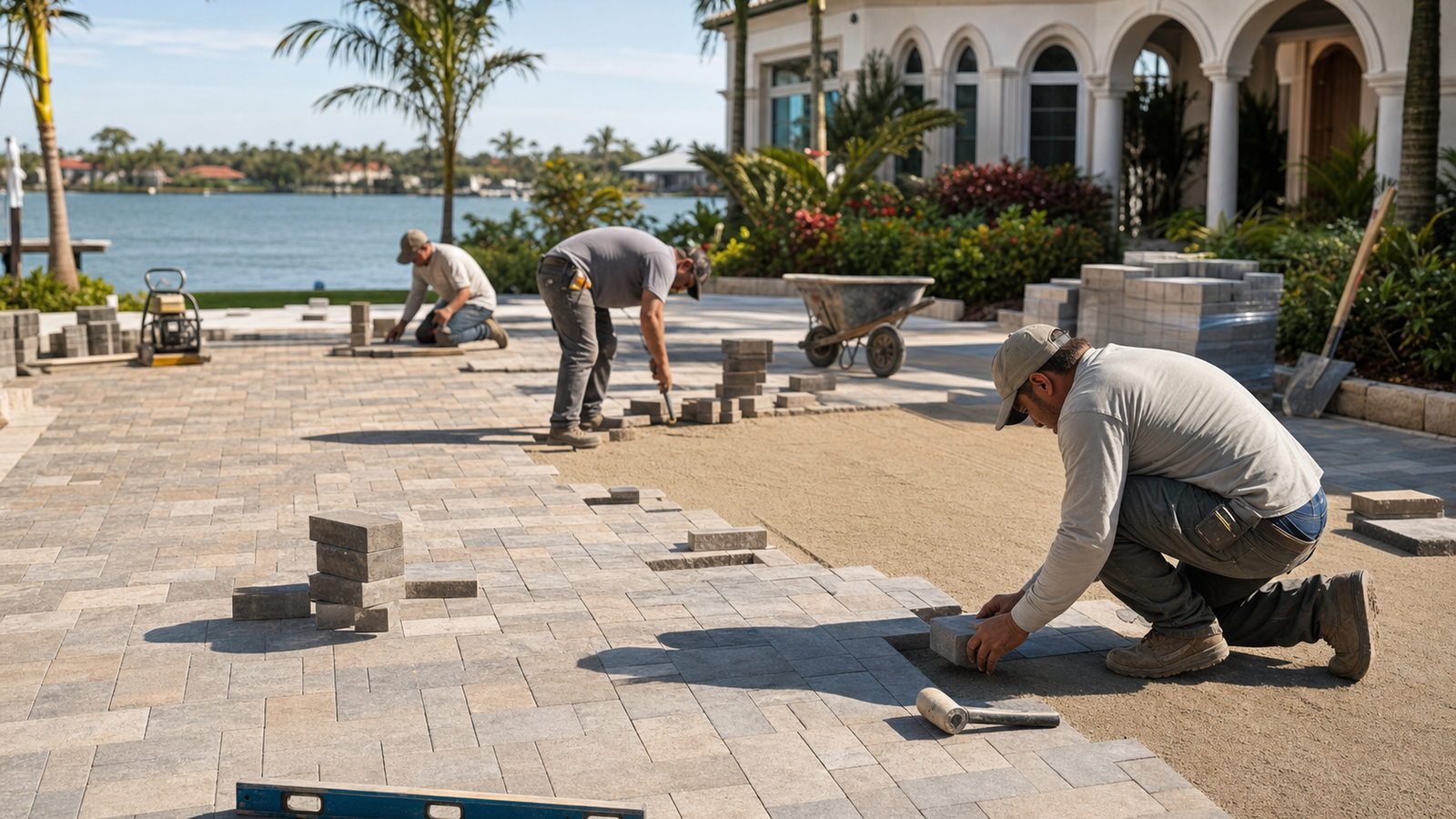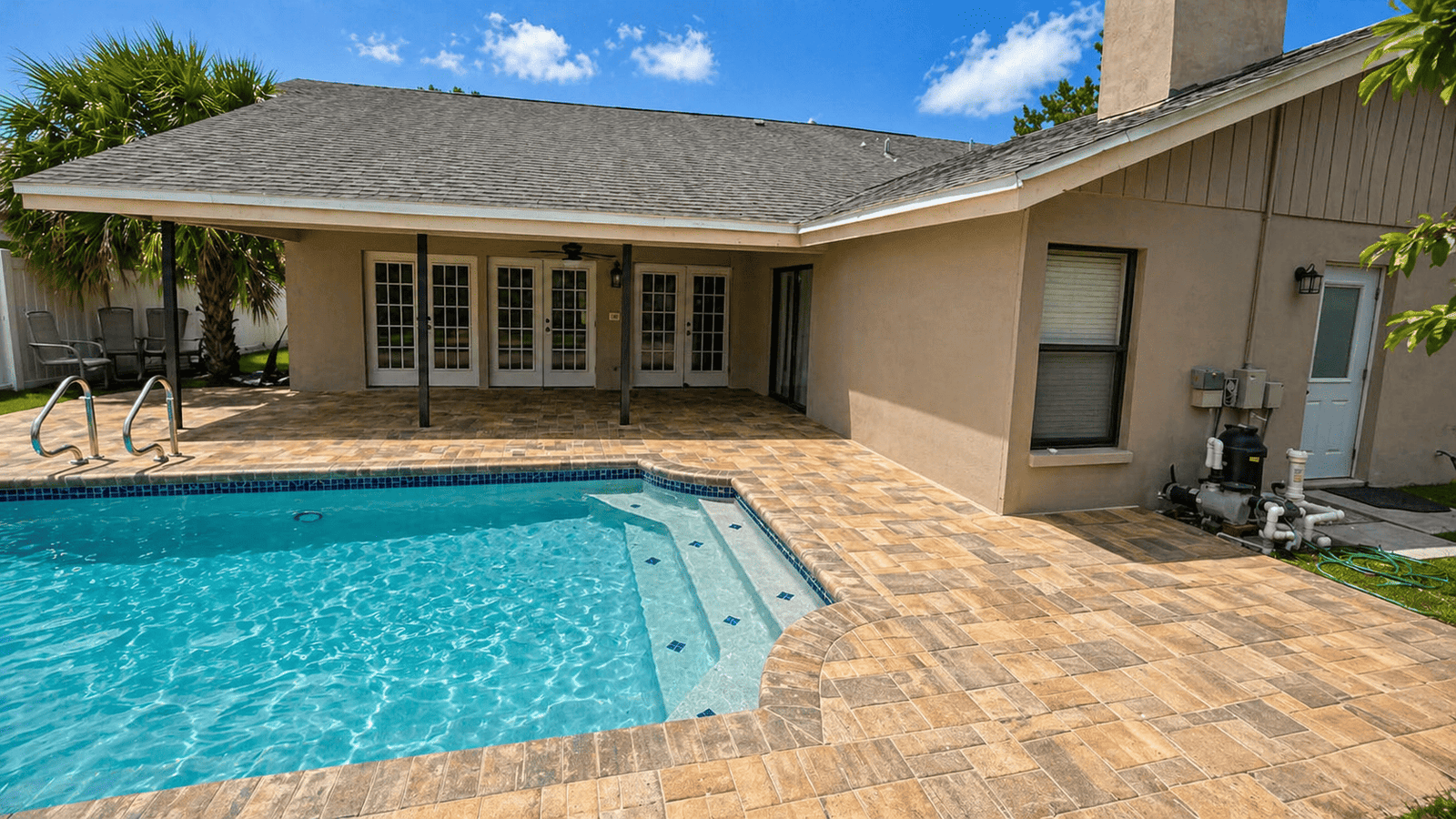
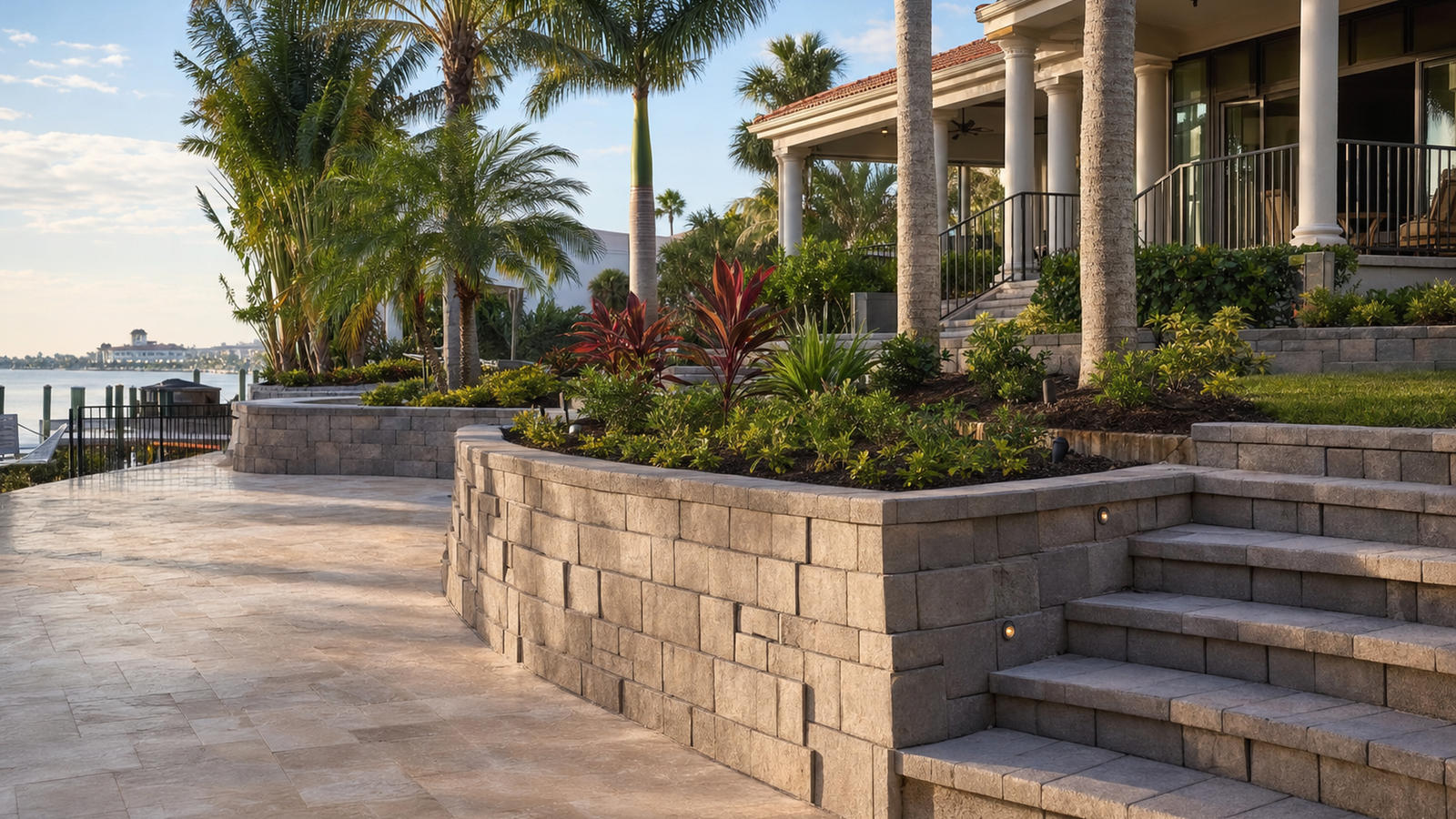
Retaining wall installation Tampa Bay transforms sloped properties into functional usable outdoor spaces. In addition, properly designed walls prevent erosion and manage water drainage effectively. Therefore, homeowners across Tampa Bay, Riverview, Ruskin, Wesley Chapel, Greater Carrollwood, Thonotosassa, Land O’ Lakes, Town ‘N’ Country, Palm Harbor, and Seven Springs invest in retaining walls for terracing and landscaping. Most importantly, however, professional retaining wall installation Tampa Bay ensures structural integrity, proper drainage, and long-lasting performance that protects property and creates beautiful multilevel landscapes.
Why Retaining Walls Matter for Tampa Bay Properties
Retaining walls serve critical functional and aesthetic purposes. First, walls hold back soil on sloped properties creating level terraces. Furthermore, walls prevent erosion that damages landscapes and foundations. As a result, retaining walls protect property investments significantly. In addition, walls create opportunities for creative landscape design on challenging terrain.
Erosion Prevention and Soil Stabilization
Tampa Bay’s heavy rainfall causes significant erosion on slopes. Consequently, retaining walls hold soil in place permanently. Moreover, walls prevent sediment runoff that damages neighboring properties. Therefore, erosion control justifies retaining wall investments. Beyond that, stabilized slopes support healthy landscape plantings.
Creating Usable Terraced Spaces
Retaining walls transform steep unusable slopes into functional terraces. Furthermore, level areas accommodate patios, gardens, and lawn spaces. Consequently, walls maximize usable property area significantly. However, proper design ensures terrace functionality. Therefore, planning terrace uses guides wall placement.
Drainage Management Solutions
Properly designed retaining walls include drainage systems. Moreover, drainage prevents water pressure behind walls. Consequently, drainage systems ensure wall stability and longevity. However, neglecting drainage causes wall failure. Therefore, drainage represents critical design element.
Property Value Enhancement
Well-designed retaining walls enhance property aesthetics and value. Furthermore, functional terraced landscapes appeal to buyers. Consequently, retaining walls provide excellent return on investment. However, quality construction matters for value. Therefore, professional installation maximizes property enhancement.
Retaining Wall Design Principles for Tampa Bay
Successful retaining wall design balances engineering with aesthetics. Therefore, understanding design fundamentals ensures safe beautiful walls. In addition, Tampa Bay conditions require specific design considerations. As a result, local expertise proves invaluable for design planning.
Height and Structural Requirements
Walls under 4 feet typically don’t require engineering permits. Furthermore, taller walls need professional structural engineering. Consequently, wall height affects design complexity and costs. However, multiple shorter walls often work better than single tall walls. Therefore, tiered wall systems provide design flexibility.
Slope Analysis and Grading
Understanding existing slope determines wall design requirements. Moreover, steep slopes create greater pressure on walls. Consequently, slope angle affects wall thickness and reinforcement. However, proper grading behind walls reduces pressure. Therefore, comprehensive grading design ensures stability.
Drainage System Design
Perforated drain pipes behind walls collect water. Furthermore, gravel backfill facilitates drainage to pipes. Consequently, proper drainage prevents water pressure buildup. However, outlet locations must discharge water safely. Therefore, comprehensive drainage planning prevents wall failure.
Aesthetic Integration with Landscape
Retaining walls should complement overall landscape design. Moreover, wall materials and colors coordinate with architecture. Consequently, thoughtful design creates cohesive appearance. However, incorporating plantings softens wall appearance. Therefore, landscape integration enhances wall aesthetics.
Retaining Wall Material Options Tampa Bay
Several material options suit different applications and budgets. Therefore, understanding material characteristics guides selection. In addition, aesthetics and durability vary between materials. As a result, material choice affects both appearance and performance.
Segmental Concrete Block Walls
Interlocking concrete blocks provide versatile affordable walls. First, blocks install without mortar using gravity and friction. Furthermore, numerous colors and textures suit various designs. Consequently, segmental blocks offer excellent value. In addition, blocks handle curves and corners easily. However, blocks require proper base preparation critically.
Natural Stone Retaining Walls
Natural stone creates beautiful organic wall appearance. Moreover, stone walls develop attractive patina over time. Consequently, stone delivers timeless aesthetic appeal. However, stone construction requires skilled craftsmen. Therefore, stone walls cost significantly more than alternatives.
Poured Concrete Walls
Poured concrete provides maximum strength for tall walls. Furthermore, concrete accommodates reinforcement easily. Consequently, concrete suits high-load applications. However, concrete appearance seems industrial unless finished. Therefore, veneer finishes enhance concrete aesthetics.
Timber Retaining Walls
Pressure-treated timber creates rustic informal walls. Moreover, timber costs less than masonry initially. Consequently, timber suits budget-conscious projects. However, Tampa Bay humidity rots timber faster. Therefore, timber walls require replacement sooner than masonry.
Retaining Wall Installation Tampa Bay: Construction Process
Proper construction methods ensure retaining wall stability and longevity. Therefore, following proven techniques delivers reliable results. In addition, each construction step contributes to overall performance. As a result, systematic installation prevents failures.
Step 1: Site Preparation and Layout
Excavation removes unstable soil and creates level base area. First, layout establishes wall location and alignment precisely. Furthermore, marking utilities prevents dangerous accidents. Consequently, thorough preparation prevents construction problems. However, proper excavation depth proves critical for stability.
Step 2: Base Installation
Compacted gravel base provides stable wall foundation. Moreover, base extends beyond wall face typically. Consequently, proper base prevents settling. However, base must remain level across entire length. Therefore, laser levels ensure precise base grading.
Step 3: First Course Installation
First block course establishes alignment for entire wall. Furthermore, burying first course below grade increases stability. Consequently, precise first course installation proves critical. However, checking level continuously prevents errors. Therefore, first course requires maximum attention.
Step 4: Drainage System Installation
Perforated drain pipe installs behind wall base. Moreover, gravel surrounds pipe facilitating water collection. Consequently, drainage system prevents water pressure buildup. However, pipe slope ensures water flows to outlets. Therefore, proper drainage installation ensures wall longevity.
Step 5: Block Courses and Backfill
Each course sets back slightly creating batter. Furthermore, backfilling with gravel proceeds as wall rises. Consequently, alternating block laying and backfilling ensures stability. However, compacting backfill prevents settling. Therefore, systematic construction delivers quality results.
Step 6: Cap Installation and Finishing
Cap blocks glued to top course create finished appearance. Moreover, caps prevent water infiltration into wall. Consequently, capping completes wall construction. However, cleanup removes construction debris. Therefore, final cleanup creates pristine appearance.
Retaining Wall Installation Tampa Bay: Cost Breakdown
Retaining wall costs vary based on height, material, and site conditions. Therefore, understanding cost factors enables budget planning. In addition, wall complexity affects pricing significantly. As a result, detailed estimates require site assessment.
Material Costs by Wall Type
Wall materials represent 40–50% of total project cost. First, segmental blocks offer best value. On the other hand, natural stone commands premium pricing. Therefore, material selection dramatically affects budgets.
- Segmental block walls: $15–$30 per square foot installed
- Timber walls: $20–$35 per square foot installed
- Poured concrete walls: $30–$50 per square foot installed
- Natural stone walls: $40–$80+ per square foot installed
Height Impact on Costs
Walls under 3 feet cost least per square foot. Furthermore, walls 4–6 feet tall increase costs 30–50%. Consequently, wall height significantly affects pricing. However, engineering requirements add to tall wall costs. Therefore, height represents major cost factor.
Site Condition Factors
Difficult access increases labor and equipment costs. Moreover, poor soil conditions require deeper excavation. Furthermore, existing obstacles necessitate additional work. Therefore, site challenges add expenses. Beyond that, slope steepness affects construction difficulty.
Additional Feature Costs
Steps through walls add $500–$1,500 each. Similarly, lighting integration costs $200–$500 per fixture. Furthermore, decorative caps add $8–$15 per linear foot. Therefore, custom features increase investments. However, features enhance functionality and appearance.
Drainage Solutions for Retaining Walls Tampa Bay
Proper drainage represents the most critical aspect of retaining wall design. Therefore, comprehensive drainage systems ensure wall longevity. In addition, Tampa Bay’s heavy rainfall demands robust drainage. As a result, drainage investment prevents costly failures.
Perforated Drain Pipe Systems
Four-inch perforated pipe collects water behind walls. Furthermore, pipe installs at wall base in gravel bed. Consequently, collected water drains to safe discharge points. However, pipe slope must facilitate gravity drainage. Therefore, proper pipe installation proves essential.
Gravel Backfill Requirements
Clean crushed stone backfill facilitates water movement. Moreover, gravel extends 12 inches minimum behind wall. Consequently, gravel allows water to reach drain pipes. However, landscape fabric prevents soil infiltration. Therefore, fabric maintains gravel drainage capacity.
Weep Hole Integration
Weep holes through wall face provide drainage outlets. Furthermore, weep holes space 4–6 feet apart typically. Consequently, weep holes relieve water pressure effectively. However, filtering prevents soil migration. Therefore, gravel pockets behind weeps protect soil.
Surface Water Management
Directing surface runoff away from walls reduces pressure. Moreover, swales above walls intercept water. Consequently, managing surface water supplements wall drainage. However, coordinating systems maximizes effectiveness. Therefore, comprehensive drainage planning ensures success.
Tiered Retaining Wall Systems Tampa Bay
Multiple shorter walls often work better than single tall walls. Therefore, tiered systems provide structural and aesthetic advantages. In addition, terraces between walls create planting opportunities. As a result, tiered walls deliver functional beautiful landscapes.
Structural Benefits of Tiering
Shorter walls experience less pressure than tall walls. Furthermore, tiered walls distribute loads effectively. Consequently, tiered systems provide greater stability. However, spacing tiers properly proves important. Therefore, proper tier spacing ensures independent wall performance.
Design Flexibility Advantages
Tiered walls create varied landscape opportunities. Moreover, different materials can define separate tiers. Consequently, tiering enables creative design expression. However, coordinating tier heights creates visual balance. Therefore, thoughtful design maximizes tiered wall aesthetics.
Terrace Spacing Requirements
Terraces between tiers should equal twice wall height minimum. Furthermore, adequate spacing prevents wall interaction. Consequently, proper spacing ensures structural independence. However, larger terraces provide more usable space. Therefore, balancing structure with function guides spacing.
Planting Between Tiers
Terraces provide excellent planting opportunities. Moreover, plantings soften wall appearance beautifully. Consequently, landscape integration enhances tiered wall aesthetics. However, irrigation planning ensures plant health. Therefore, coordinating landscape with construction maximizes results.
Homeowners planning comprehensive landscape transformations benefit from understanding how retaining walls integrate with paver patios, outdoor kitchens, and drainage solutions. Retaining wall and hardscape guides provide additional insights into coordinating structural elements with complete outdoor living environments that maximize property potential.
The National Concrete Masonry Association establishes design standards and best practices for segmental retaining walls. Their technical resources ensure walls meet structural and safety requirements. Visit NCMA’s official website for comprehensive retaining wall design guides, installation manuals, and engineering specifications for residential applications.
Conclusion: Creating Functional Landscapes with Retaining Wall Installation Tampa Bay
Retaining wall installation Tampa Bay transforms challenging sloped properties into functional terraced landscapes. In addition, properly engineered walls prevent erosion and manage drainage effectively. Furthermore, quality construction ensures decades of reliable performance protecting property investments. Therefore, professional retaining wall installation represents smart property improvement. Most importantly, however, expert retaining wall installation Tampa Bay creates beautiful multilevel outdoor spaces that maximize usable area while enhancing property value and appeal.
Segmental block walls deliver excellent value and versatile design options. On the other hand, natural stone creates premium organic aesthetic appeal. Consequently, material selection balances budget with desired appearance. Nevertheless, all quality retaining walls require proper drainage and professional construction. Beyond that, well-designed retaining walls solve erosion problems while creating opportunities for creative landscape design that transforms sloped properties into stunning functional outdoor living environments.
Ready to transform your sloped property with retaining walls? 📞 Contact Dr Pavers Design at +1 (656) 600-4015 or email drpavers@outlook.com for a free retaining wall consultation anywhere in Tampa Bay. Check out our completed retaining wall projects, read customer testimonials, or browse our frequently asked questions to learn more about our process. Follow us on Instagram and Facebook for retaining wall inspiration, or leave a review on Google. Prefer instant messaging? Text us at +1 (656) 600-4015 or message us on WhatsApp. Visit our services page to explore all our outdoor living solutions, and find us on Google Maps to see our location and service areas.